Shock and uncertainty spread across Beit Shemesh as the full extent of the missile attack became clearer. What had first seemed like a distant emergency quickly became a deeply personal tragedy for many families. Throughout the community, people rushed to protected areas, hoping to stay safe while waiting for reliable updates. Phones rang constantly as loved ones tried to check on one another. Messages of concern, hope, and reassurance filled countless conversations.
Emergency responders worked tirelessly despite the difficult conditions. Damaged roads and scattered debris made reaching affected neighborhoods far more challenging. Even so, rescue teams continued their efforts with determination and care. Medical personnel treated those who needed immediate assistance while volunteers supported families searching for information. Every passing minute felt longer than the last.
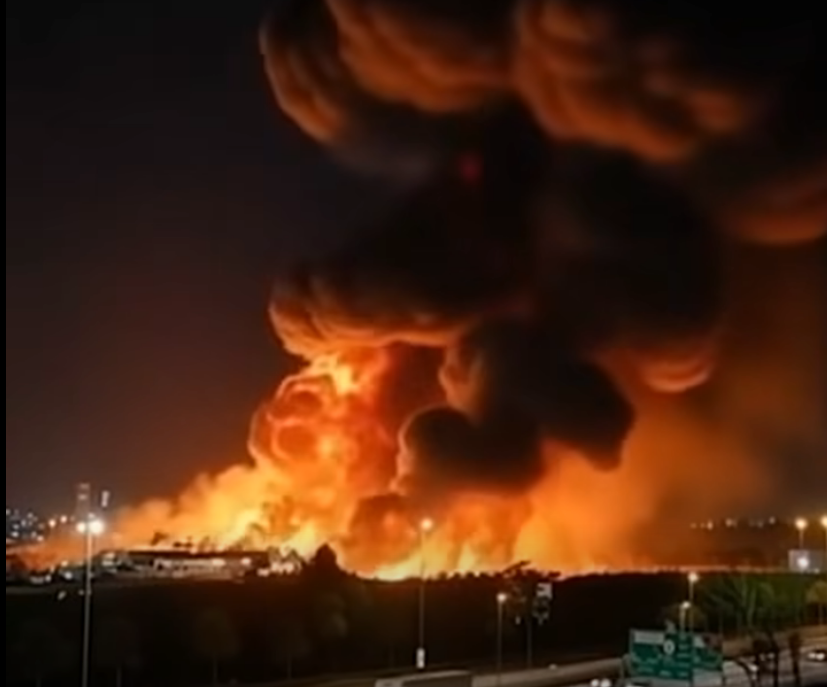
As official reports emerged, the community learned that nine people had lost their lives. The announcement transformed widespread anxiety into profound sorrow. Many residents struggled to process the heartbreaking news. Neighbors gathered to comfort one another during an incredibly difficult moment. The sense of loss reached far beyond the locations directly affected.
For many people, the events no longer felt like something happening elsewhere. They had become a painful reality close to home. Families reflected on how quickly everyday routines had been interrupted. Parents focused on keeping their children calm despite the uncertainty surrounding them. Communities united in support of those facing the greatest hardship. Acts of kindness appeared alongside moments of sadness, reminding people that compassion can endure even in difficult times.
Meanwhile, officials in Tehran described the launches as a deliberate strategic decision. In Jerusalem and Washington, leaders viewed the situation as a significant development with potentially far-reaching consequences. Discussions intensified as governments assessed the implications of the unfolding events. Attention quickly turned to what might happen next and how regional stability could be affected.
Israel’s president addressed the public while acknowledging the seriousness of the crisis. His remarks reflected the weight of the moment and the concern shared by many citizens. Although he recognized the challenges ahead, he stopped short of outlining any specific future course of action. His careful words underscored the uncertainty surrounding the situation.
Behind the scenes, decision-makers examined a range of possible responses. Every option carried difficult consequences that required careful consideration. Officials understood that any major decision could influence events well beyond the immediate crisis. Balancing security concerns with the risk of broader regional instability became an increasingly complex task. The importance of measured judgment weighed heavily on those involved.
Around the world, governments, analysts, and ordinary citizens continued to follow developments closely. International attention remained fixed on the region as people searched for signs of what might come next. Many hoped that future decisions would help prevent additional suffering and create space for stability. Until then, uncertainty continued to shape every new update. The world watched carefully, waiting for the next chapter in an increasingly tense situation.